Searching for a Hair Restoration Treatment can quickly become confusing. Hair transplantation, injectable procedures, regenerative approaches, topical therapies, oral medications, and other treatments may all appear during research, often with dramatically different claims.
The most useful way to narrow the options is to begin with the pattern and cause of hair loss.
For men and women in Mumbai, Maharashtra, treatment selection should ideally follow diagnosis rather than starting with whichever procedure is currently receiving the most attention.
Different Hair Problems Need Different Strategies
Hair loss is not a single condition.
A receding frontal hairline, diffuse thinning, sudden shedding, patchy hair loss, and established baldness represent different clinical situations.
That is why a treatment suitable for one patient may offer little value to another.
A proper evaluation considers where hair is being lost, whether follicles remain present, how quickly the condition is progressing, and whether there are contributing medical factors.
Start With These Four Questions
Before choosing a treatment, establish:
What type of hair loss is present?
Pattern hair loss behaves differently from temporary shedding and localised forms of hair loss.
Is the condition still progressing?
Active progression can influence both non-surgical management and surgical planning.
Are usable follicles still present?
Treatments intended to support existing follicles differ fundamentally from transplantation into areas of permanent loss.
What is the long-term objective?
Reducing shedding, maintaining existing density, improving a hairline, and restoring a bald area are different goals.
Non-Surgical Treatment May Suit Earlier Stages
When follicles remain present but hairs are becoming progressively finer, non-surgical management may be discussed.
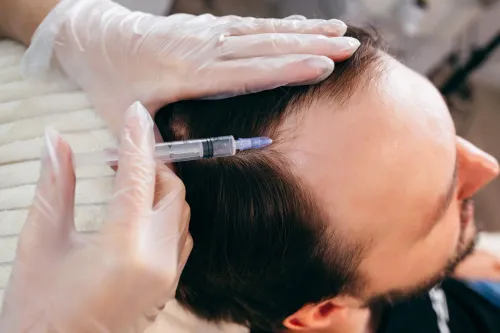
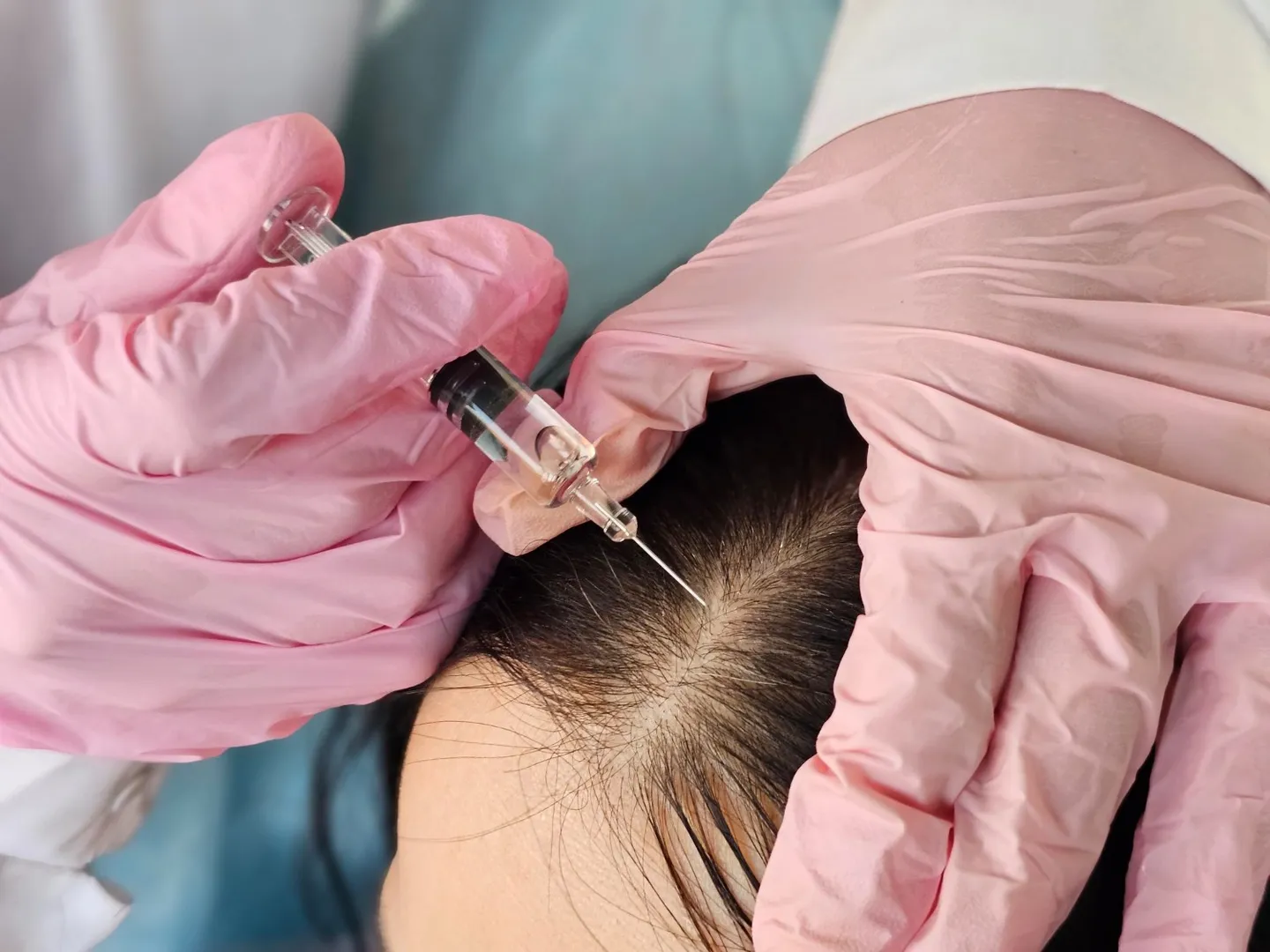
The exact approach depends on diagnosis and individual suitability. It may include medically supervised therapies and selected procedure-based treatments.
Progress should be monitored over time rather than judged after a few days or weeks.
Transplantation Addresses a Different Need
Hair transplantation is primarily a redistribution procedure.
Suitable follicles are harvested from a donor area and implanted into areas requiring restoration. It may be considered for established hairline recession, baldness, or selected permanent areas of hair loss when donor resources are adequate.
This means transplantation and non-surgical treatments should not automatically be treated as competing options. In selected cases, they may address different aspects of the same long-term hair-loss plan.
Avoid Choosing Treatment From Photographs Alone
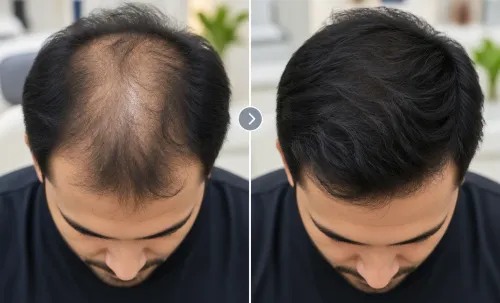
Before-and-after images can demonstrate examples of previous work, but they cannot establish whether you have the same diagnosis, donor density, hair characteristics, or degree of hair loss as the person shown.
When evaluating treatment, ask about:
- Diagnosis
- Expected purpose of treatment
- Available alternatives
- Treatment duration
- Follow-up requirements
- Possible adverse effects
- Realistic limitations
- Long-term management
These questions are more useful than selecting treatment solely because a photograph looks impressive.
Build a Plan That Can Adapt
Hair loss can evolve over many years. Someone with mild recession at 25 may have a different pattern at 35.
Long-term planning is therefore particularly important for younger patients.
Dr. Vinay Chouksey and Jata Hair Sciences provide assessment for surgical and non-surgical hair restoration. A consultation can help determine which approaches may fit the patient's current pattern rather than applying the same procedure to every case.
Choosing a Hair Restoration Treatment in Mumbai becomes easier when the process starts with diagnosis, realistic objectives, and an understanding of what each treatment can actually address. The most appropriate plan is the one built around the patient's existing follicles, progression pattern, donor resources, medical history, and long-term hair restoration needs.
Keywords