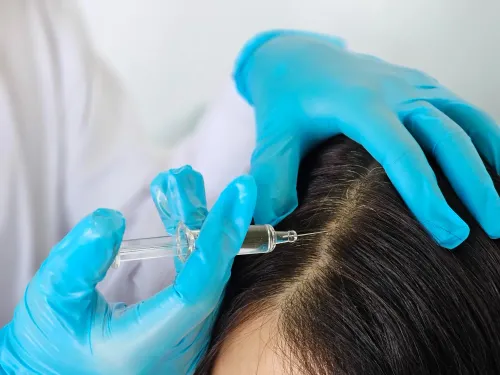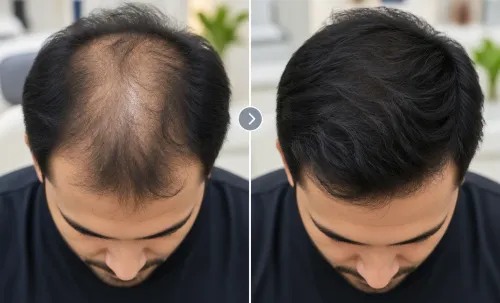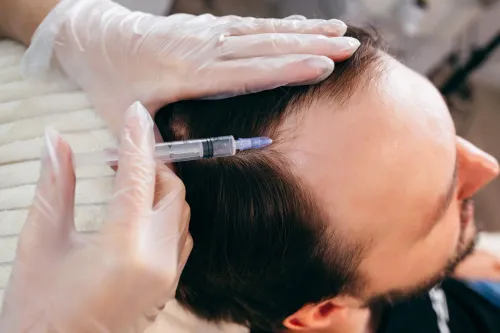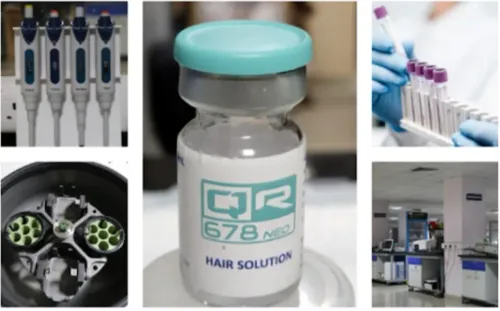

Interest in regenerative approaches to hair care has increased as people look for non-surgical options for thinning hair. Exosome Hair Treatment is among the newer approaches discussed in this field, particularly by patients researching treatments beyond conventional scalp procedures.
For individuals in Mumbai, Maharashtra, the key question should not simply be whether a treatment is new. It should be whether it is appropriate for the diagnosed cause of hair loss and what level of clinical evidence supports its proposed use.
Understanding the Basic Concept
Exosomes are very small extracellular vesicles involved in cell-to-cell communication. They contain biological signalling molecules, which has led to research interest across several areas of regenerative medicine.
Their potential role in hair restoration has consequently attracted attention.
However, emerging treatments should be evaluated carefully. Product composition, preparation methods, clinical protocols, patient selection, regulatory considerations, and the quality of available evidence can all matter.
Hair Loss Diagnosis Still Comes First
A new technology cannot replace diagnosis.
Two people who appear to have similar thinning may actually have different underlying conditions. One may have androgenetic hair loss, while another could be experiencing temporary shedding associated with illness, nutritional factors, stress, medications, or another medical issue.
Before discussing exosome-based treatment, an assessment may consider:
- Distribution of thinning
- Duration of hair loss
- Family history
- Recent health changes
- Scalp condition
- Current medication
- Previous hair treatments
- Evidence of follicular miniaturisation
This information helps establish what is actually being treated.
How It Differs From Hair Transplantation
Exosome-based approaches and transplantation address different situations.
A hair transplant involves physically relocating suitable follicles from a donor region into an area of permanent hair loss.
Non-surgical treatments generally depend on the presence of existing follicles. Therefore, an area with reduced density is different from an area where usable follicles have been permanently lost.
Understanding this distinction helps prevent unrealistic expectations.
Questions Patients Should Ask
Anyone researching Exosome Hair Treatment should ask specific questions rather than choosing treatment because it is described as advanced.
Consider asking:
- Why is this treatment being suggested for my condition?
- What evidence supports its use for my hair-loss pattern?
- What product and protocol are being used?
- Are there alternatives appropriate for my diagnosis?
- How will progress be documented?
- What adverse effects need to be discussed?
- When should the treatment plan be reviewed?
A provider should be able to explain the reasoning behind a recommendation in understandable terms.
Be Careful With Guaranteed Claims
Hair restoration is influenced by multiple biological factors. No responsible evaluation should assume that every patient will respond identically.
Claims promising a fixed percentage of regrowth, guaranteed density, or universal success should therefore be treated cautiously.
The quality of assessment and suitability of the treatment are more meaningful than dramatic claims.
A Broader Hair Restoration Plan
Dr. Vinay Chouksey, founder of Jata Hair Sciences, works with surgical and non-surgical hair restoration approaches. Patients exploring treatment in Mumbai can benefit from considering newer options within a broader assessment rather than treating each procedure as an isolated solution.
Exosome Hair Treatment represents an evolving area of hair restoration interest, but newer does not automatically mean suitable for everyone. Patients should understand the diagnosis, proposed mechanism, evidence, expected treatment course, alternatives, and follow-up requirements before proceeding.
An informed decision is based on the condition being treated and the reasoning behind the recommendation, not simply the popularity of a new hair restoration technology.
Keywords