Not every person noticing increased hair fall needs surgical restoration. When hair is still present but becoming thinner, the first priority is identifying the cause and determining whether a non-surgical treatment strategy may be appropriate.
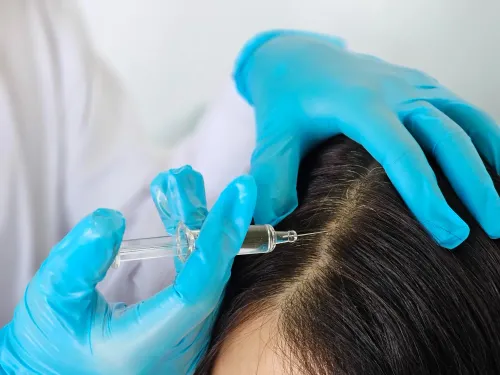
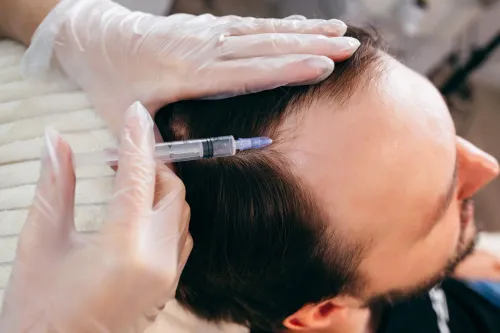
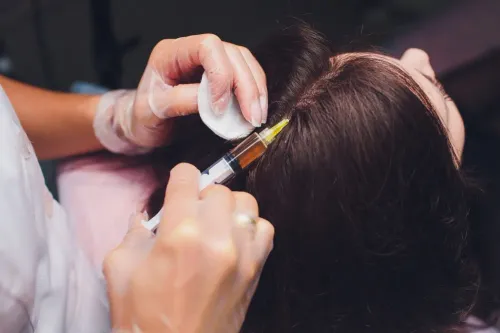
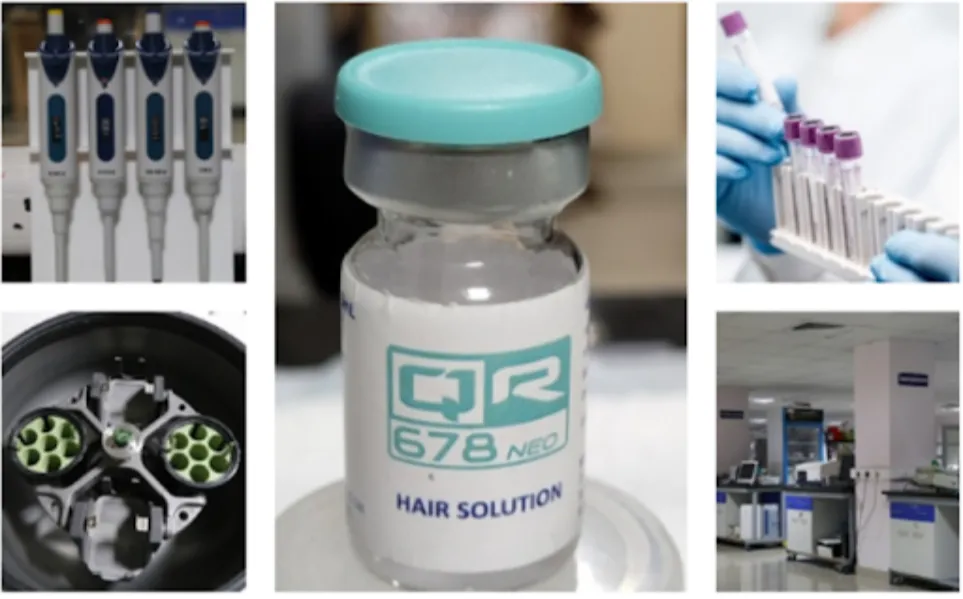
QR678 Hair Treatment is one of the approaches people researching non-surgical hair restoration may encounter. Rather than treating every type of hair loss in the same way, its suitability should be considered in the context of diagnosis, hair-loss stage, scalp condition, and treatment expectations.
For people in Nashik, Maharashtra, this distinction is important because early thinning can arise from several different causes.
Start by Identifying the Hair Loss Pattern
Hair fall is a symptom rather than a diagnosis.
Someone may notice increased shedding after an illness, stressful period, major weight change, nutritional disturbance, hormonal change, or medication. Another person may be developing gradual pattern hair loss that progresses over several years.
Treatment planning therefore begins by answering several questions.
Is the hair shedding suddenly?
Has the hairline started receding?
Is the crown becoming thinner?
Has overall density gradually decreased?
Are there distinct bald patches?
The answers can help determine what further assessment may be appropriate.
Where QR678 Fits Into Hair Care
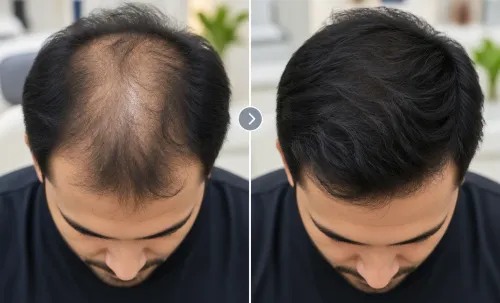
QR678 is discussed as a non-surgical hair treatment and may be evaluated for selected patients experiencing thinning hair.
A consultation is important because the presence of existing follicles, stage of thinning, medical history, and underlying cause can influence whether a non-surgical approach is appropriate.
It should not be viewed as interchangeable with hair transplantation. Transplantation redistributes suitable follicles into areas of permanent loss, while non-surgical treatment approaches generally focus on existing hair and scalp conditions.
Early Thinning Deserves Attention
People often wait until substantial scalp visibility develops before having their hair loss assessed.
Earlier evaluation can provide a clearer understanding of whether the change represents temporary shedding or a progressive pattern.
Signs worth paying attention to include:
- Increasing scalp visibility
- Progressive widening of the part
- Gradual recession around the temples
- Reduction in ponytail thickness
- Persistent excessive shedding
- Thinning around the crown
Photographs taken under similar lighting every few months can sometimes make gradual changes easier to recognise.
What to Ask During Consultation
If you are considering QR678 Hair Treatment, avoid focusing exclusively on the procedure name.
Useful questions include:
- What appears to be causing my hair loss?
- Is my hair loss currently active?
- Is this treatment appropriate for my pattern?
- How will progress be assessed?
- Are additional treatments being considered?
- What changes would indicate that the plan needs reassessment?
This turns the consultation into a broader discussion about hair-loss management rather than a decision based on a single advertised treatment.
Why Expectations Need to Be Individual
Hair density, follicular miniaturisation, duration of hair loss, age, family history, scalp health, and adherence to a treatment plan can differ substantially between patients.
As a result, one person's response cannot predict another person's outcome.
Dr. Vinay Chouksey and Jata Hair Sciences provide hair restoration assessment that can help patients understand available approaches based on their individual hair-loss pattern.
Monitor Changes Consistently
Hair treatments require realistic timelines because follicles naturally cycle through growth and resting phases.
Rather than checking the mirror every day, patients can monitor progress through standardised photographs and scheduled clinical assessments.
Anyone considering QR678 Hair Treatment in Nashik should first establish what type of hair loss is present and what the treatment is expected to address. A diagnosis-led approach makes it easier to distinguish between temporary shedding, progressive thinning, and established baldness while choosing a management strategy appropriate to the actual condition.
Keywords