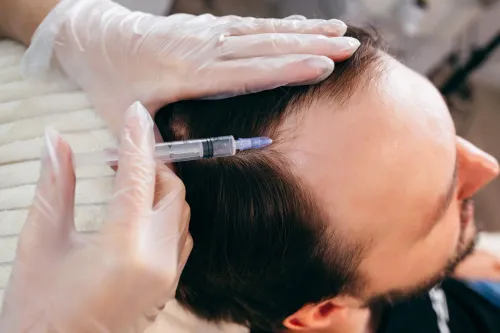
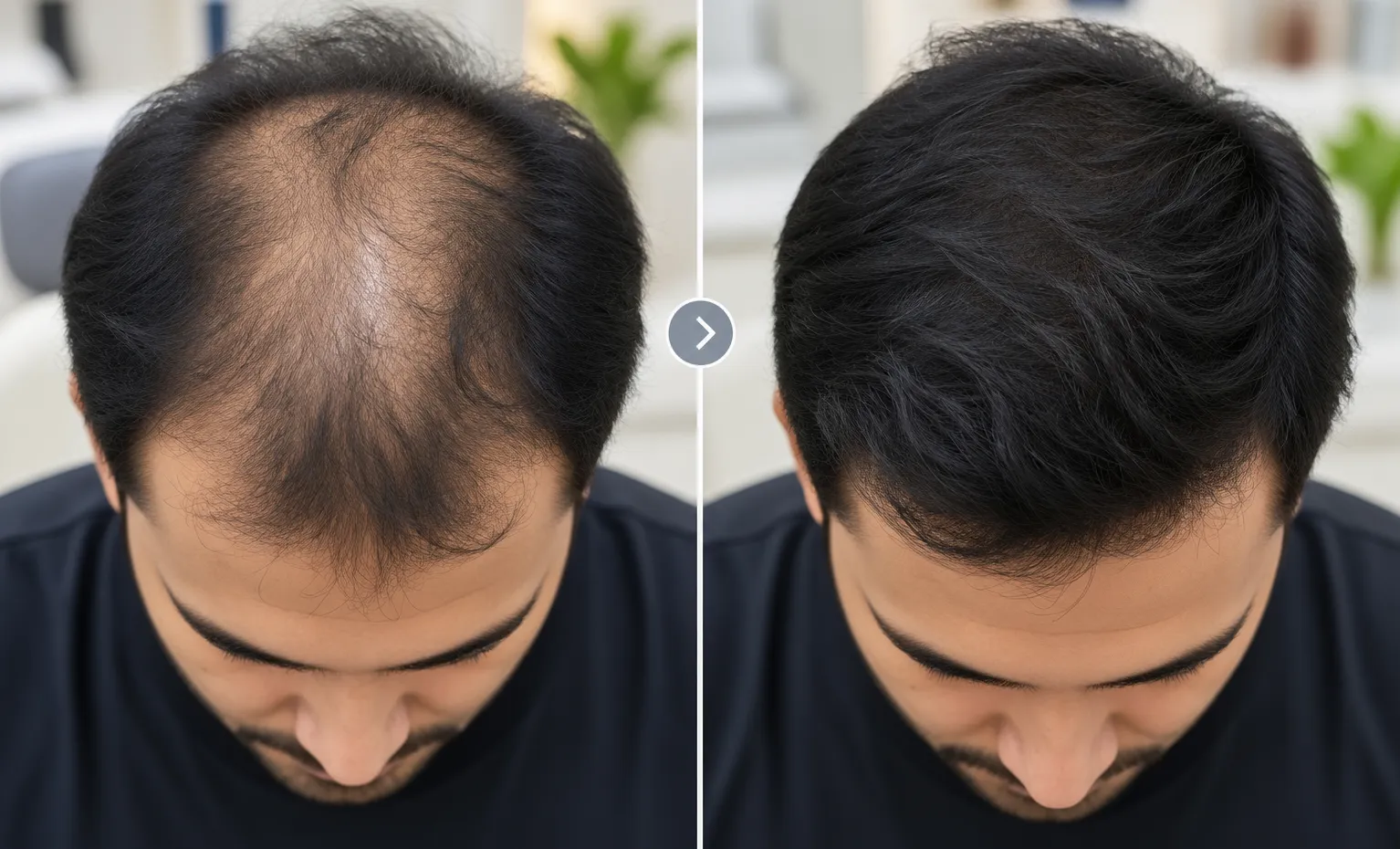
Hair restoration technologies continue to evolve, giving patients more options than conventional medication and transplantation alone. One approach that may appear during research is AMT Hair Treatment, often discussed within regenerative hair restoration.
For people in Mumbai, Maharashtra, evaluating this type of treatment requires understanding what is being offered, whether the hair-loss condition is suitable, and what realistic outcome the procedure is intended to support.
Understand the Treatment Before Comparing Packages
AMT can refer to autologous micrograft-based treatment approaches in which material obtained from the patient's own tissue is processed for use in a regenerative procedure.
The exact device, preparation protocol, treatment method, and clinical rationale can vary.
That makes it important to ask the clinic to explain precisely what is included under the term AMT rather than assuming every provider is offering an identical procedure.
Existing Follicles Matter
Regenerative procedures and transplantation have fundamentally different objectives.
A hair transplant physically relocates follicles into areas of permanent hair loss. An AMT-based procedure is generally discussed in relation to existing hair and follicles.
Therefore, a person with early thinning presents a different treatment situation from someone with extensive smooth baldness.
A scalp assessment can help determine whether enough viable hair remains in the affected area for a non-transplant approach to be considered.
Five Things to Clarify Before Proceeding
1. Your Hair Loss Diagnosis
Ask what is causing the thinning. Treatment should follow diagnosis.
2. The Exact Procedure
Understand how tissue is obtained, processed, and applied and what the treatment session involves.
3. The Intended Outcome
Ask whether the aim is to address shedding, support existing follicles, improve the appearance of density, or fulfil another objective.
4. Evidence and Limitations
Discuss the available clinical evidence and what cannot reasonably be promised.
5. Follow-Up Plan
Find out when progress will be reviewed and what happens if hair loss continues.
These questions help separate informed clinical planning from procedure-driven marketing.
Do Not Ignore Progressive Hair Loss
If androgenetic hair loss is present, it can continue progressing over time.
A single procedure should therefore be considered within the broader management of the condition. Patients need to understand whether additional treatment is being recommended to address continued progression.
This becomes especially relevant for younger individuals whose hair-loss pattern may not yet be fully established.
Compare Treatments According to Their Purpose
Patients frequently compare AMT with PRP, GFC, exosome-based approaches, and hair transplantation.
A simple ranking from 'weakest' to 'strongest' is not particularly useful because these procedures may have different mechanisms and indications.
A better comparison asks which treatment fits the diagnosed condition, how much evidence supports its use, what risks are involved, what follow-up is required, and what outcome is realistic.
Dr. Vinay Chouksey, founder of Jata Hair Sciences, works across surgical and non-surgical hair restoration, allowing treatment discussions to consider the broader hair-loss picture.
Anyone exploring AMT Hair Treatment in Mumbai should approach it as a medical hair restoration decision rather than a cosmetic package purchase. Ask for a clear diagnosis, an explanation of the procedure, realistic expectations, potential risks, alternative options, and a plan for monitoring future hair loss.
That information makes it easier to decide whether AMT has a reasonable place within an individual hair restoration strategy.
Keywords