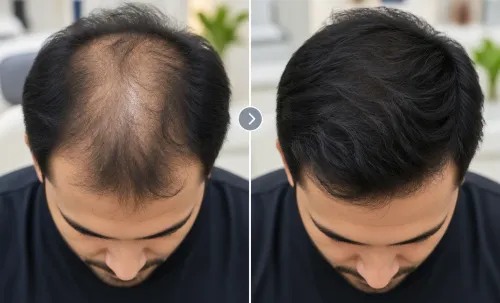
Progressive pattern hair loss can continue even when the change from month to month seems small. Over time, follicles may produce progressively finer hairs, resulting in a receding hairline, reduced crown density, and greater scalp visibility.
Dutasteride Mesotherapy for Hair Loss is one treatment approach that some patients encounter when researching medically supervised options for pattern hair thinning.
For individuals in Nashik, Maharashtra, understanding the purpose, limitations, and medical considerations of this approach is essential before deciding whether it belongs in a treatment plan.
Understanding Pattern Hair Loss
Androgenetic alopecia is influenced by genetic and hormonal factors.
In susceptible follicles, androgen-related activity contributes to progressive miniaturisation. Hairs can become shorter and finer over repeated growth cycles until density is visibly reduced.
Because this is a progressive process, treatment discussions often focus on preserving existing hair as well as addressing cosmetic concerns.
What Dutasteride Does
Dutasteride is a medication that inhibits forms of the 5-alpha-reductase enzyme involved in converting testosterone into dihydrotestosterone.
Its medical use, route of administration, suitability, risks, and potential adverse effects require appropriate clinical evaluation.
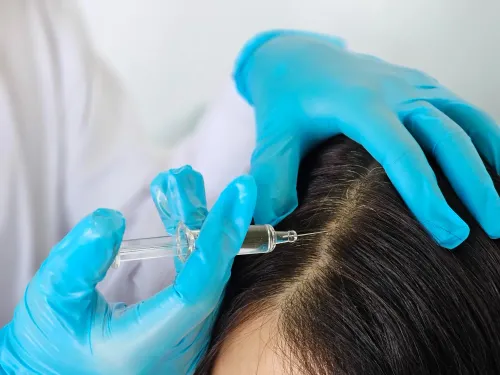
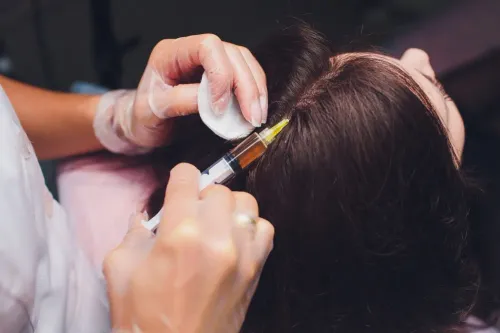
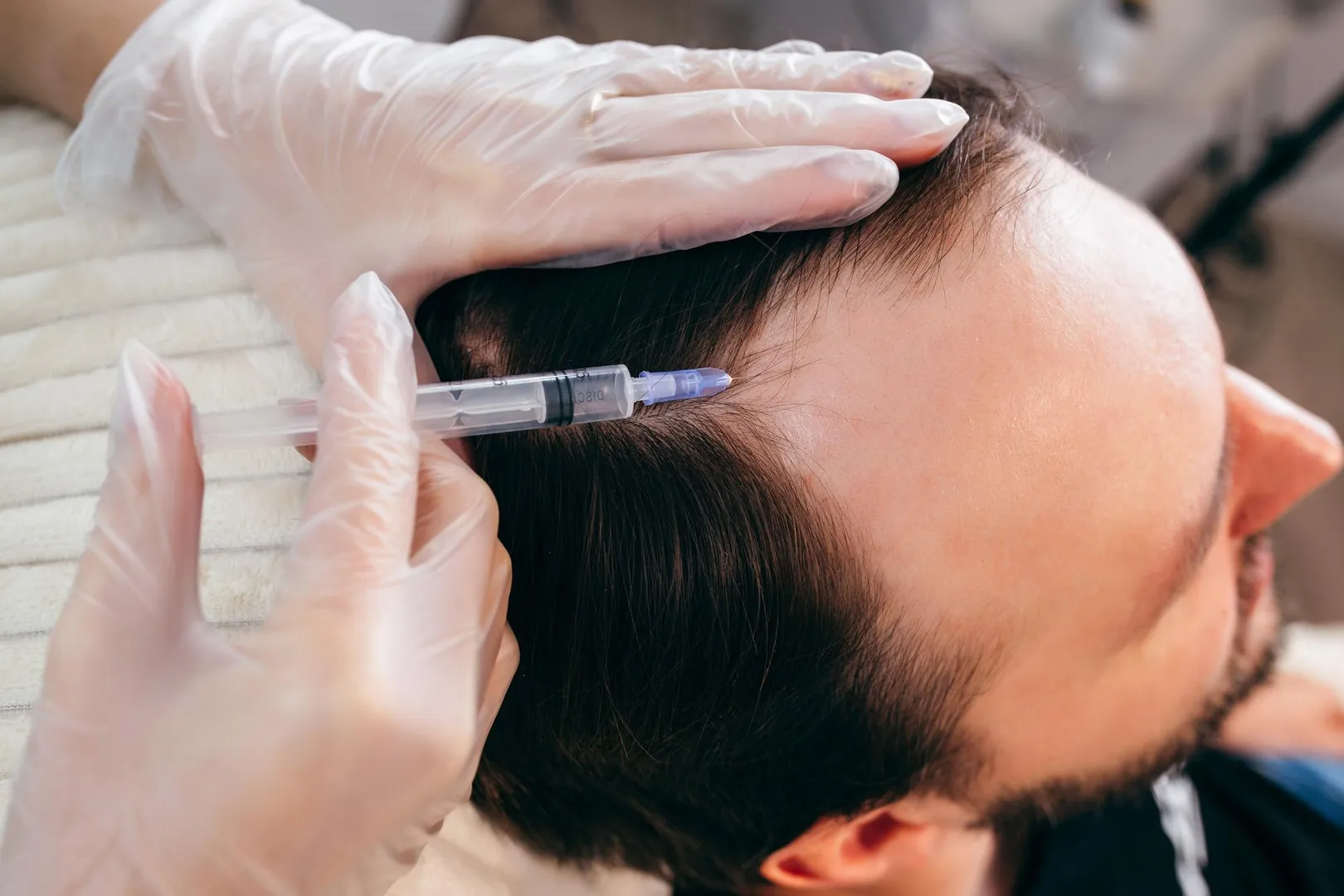
Mesotherapy refers to administration through injections into the skin at treatment sites. Combining the two concepts produces the term dutasteride mesotherapy.
Patients should understand that being able to administer a medication locally does not make it automatically suitable for every person experiencing hair loss.
Diagnosis Is Particularly Important
A person with temporary shedding does not have the same treatment needs as someone with androgenetic alopecia.
Before considering dutasteride-based treatment, the clinician may evaluate the distribution of thinning, family history, duration of hair loss, medical history, medication use, and scalp findings.
Certain patients may require additional investigation depending on the presentation.
Questions to Discuss Before Treatment
Because this involves a prescription medication, a detailed discussion is important.
Questions may include:
- Is my diagnosis consistent with pattern hair loss?
- Why is dutasteride being considered?
- Is mesotherapy appropriate in my case?
- What potential adverse effects should I understand?
- Are there reasons I should not receive this treatment?
- What alternatives are available?
- How will treatment response be monitored?
Women who are pregnant, could become pregnant, or are planning pregnancy require particular medical consideration around exposure to dutasteride. Individual eligibility must therefore be assessed rather than assumed.
Avoid Expecting Immediate Change
Hair follicles operate through long biological cycles. Changes in shedding and density cannot usually be evaluated meaningfully over a few days.
Treatment monitoring may involve clinical assessment and consistent photographs over an appropriate interval.
If progression continues despite treatment, the management plan may need to be reviewed.
Medication Is Only One Part of Assessment
Patients sometimes approach hair loss by moving from one popular treatment to another without establishing a diagnosis.
Dr. Vinay Chouksey at Jata Hair Sciences evaluates hair-loss patterns before discussing available restoration strategies. This is particularly relevant when a treatment involves medication and requires individual risk-benefit consideration.
For someone researching Dutasteride Mesotherapy for Hair Loss in Nashik, the priority should be determining whether androgenetic hair loss is actually present and whether the treatment is medically appropriate.
Understanding the diagnosis, expected purpose, possible risks, alternatives, and follow-up plan provides a much stronger foundation for making a treatment decision than choosing an injectable procedure simply because it is described as advanced.
Keywords