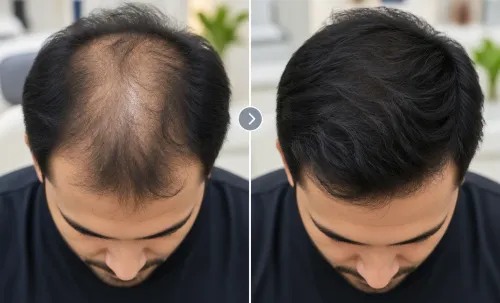
Early hair loss can be difficult to identify because there may still be considerable hair coverage even while individual follicles are gradually becoming weaker.
People may notice that their hair feels less dense, styling becomes difficult, or the scalp is increasingly visible under bright lighting.
At this stage, hair regeneration treatment may enter the discussion depending on the diagnosis and condition of existing follicles.
At Jata Hair Sciences, Dr. Vinay Chouksey evaluates hair density, scalp health, progression, family history, and previous treatment before recommending a management approach.
What Does Early Hair Loss Look Like
Possible signs include:
- Mild temple recession
- Thinning near the frontal region
- Reduced crown density
- Wider scalp parting
- Finer hair strands
- Increased scalp visibility
- Gradual reduction in overall volume
These changes do not automatically identify the cause.
The first priority is determining whether the problem is hereditary thinning, temporary shedding, scalp-related loss, or another condition.
What Hair Regeneration Is Intended to Address
Regenerative hair treatments are generally discussed when existing follicles remain in the affected areas.
The objective may involve supporting follicular function or improving the environment around thinning hair depending on the treatment being used.
Several procedures can be marketed under the broader regenerative category, so patients should ask what specific treatment is proposed.
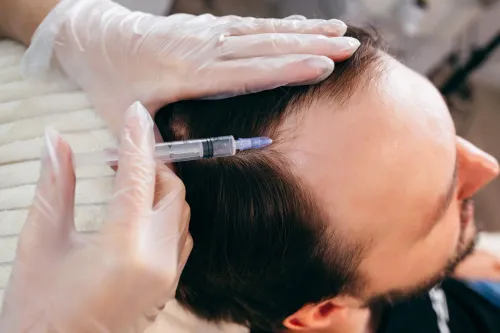
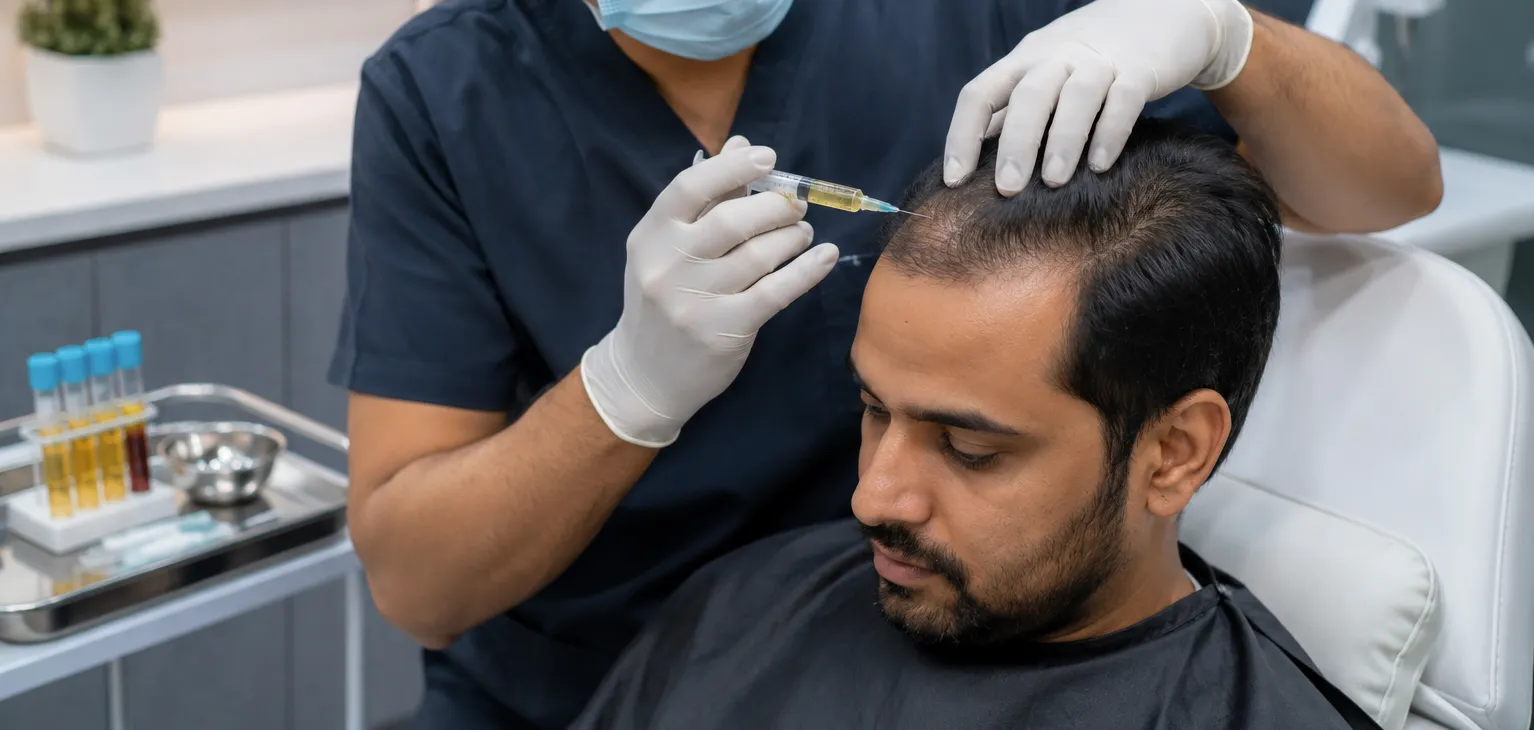
Common terms may include PRP, GFC, exosome-based treatments, micrograft approaches, and other clinic-based protocols.
These should not all be treated as identical.
Why Early Evaluation Can Be Useful
Once an area has become extensively bald, non-surgical treatment cannot simply be assumed to recreate the same coverage as transplantation.
Earlier assessment may therefore help determine whether sufficient existing follicles remain for a non-surgical management strategy to be considered.
An early consultation can also establish baseline photographs that make future progression easier to track.
Avoid Chasing Every New Treatment
Hair restoration is a rapidly developing field.
Patients frequently encounter new procedure names through social media and online advertisements.
A new treatment may be interesting, but several practical questions should come first:
- What type of hair loss do I have?
- What does this treatment actually contain?
- What is the proposed benefit?
- What limitations are known?
- What evidence supports its use?
- How will response be measured?
These questions help separate appropriate treatment from trend-based decision-making.
Hair Regeneration Treatment
People researching hair regeneration treatment in Nashik may be trying to avoid surgery, preserve existing hair, improve early thinning, or understand whether transplantation is necessary.
These are different goals and should be discussed individually.
At Jata Hair Sciences, Dr. Vinay Chouksey considers the patient's current follicular condition before discussing available restoration options.
A person with mild progressive thinning may require a very different strategy from someone with a mature bald area.
This is why early hair restoration should not begin by selecting a procedure from a list.
It should begin with understanding the pattern of loss.
When regenerative treatment is appropriate, realistic goals and structured monitoring become important. Hair density should be reviewed over time, ideally using consistent photographs and follow-up assessment.
Early action does not mean undergoing aggressive treatment. It means gaining clarity about what is happening to the hair before making decisions that may affect long-term restoration planning.
Keywords