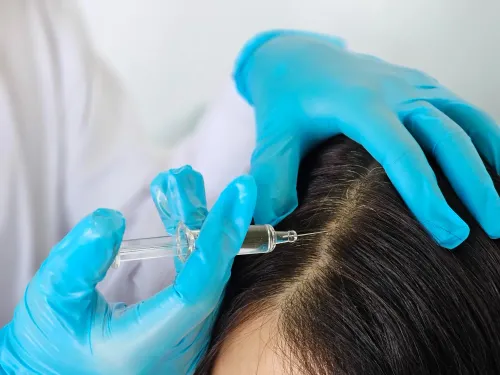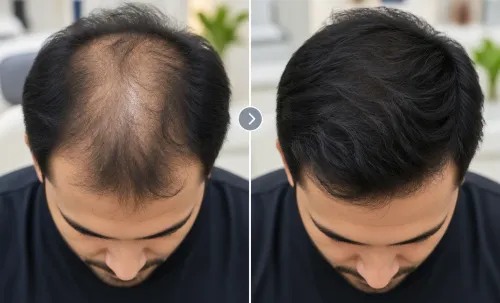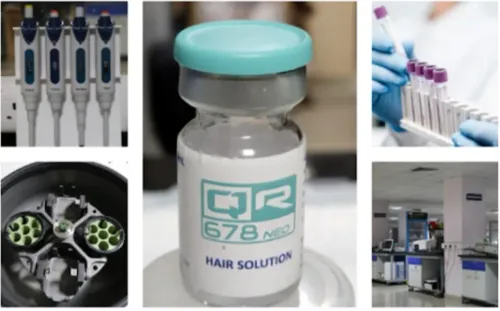
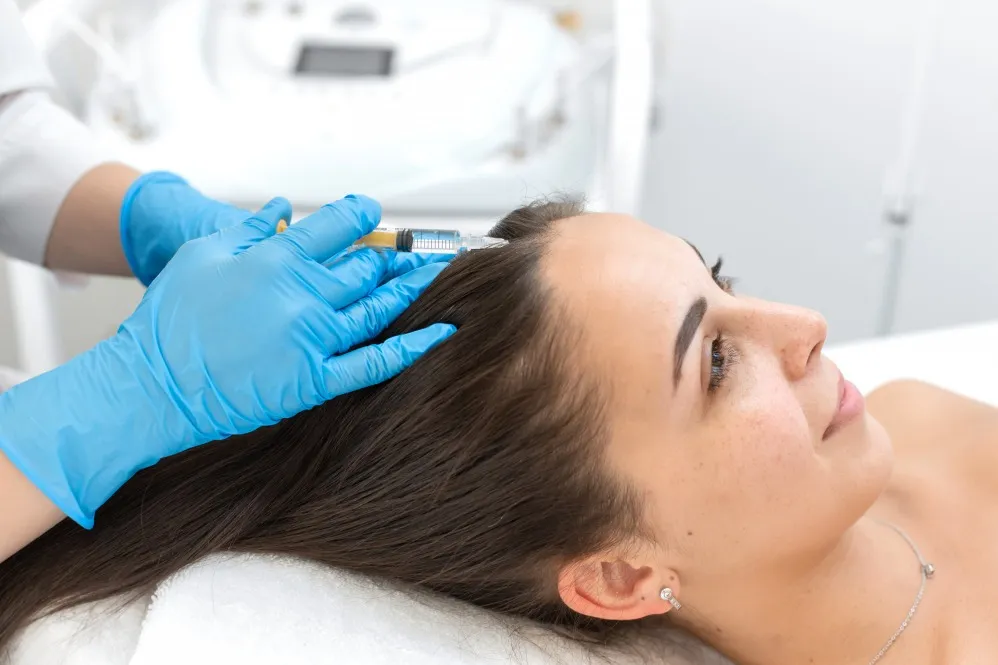
Progressive hair thinning often begins subtly. A wider parting, reduced crown density, increased scalp visibility, or gradual recession may appear long before advanced hair loss develops.
For selected patients, QR 678 treatment may be discussed as part of a non-surgical hair-loss management plan.
At Jata Hair Sciences, Dr. Vinay Chouksey evaluates the stage and pattern of hair loss before recommending any clinic-based treatment. This is important because an injectable treatment should be chosen according to the patient's condition rather than simply because it is popular.
What Is QR 678 Treatment
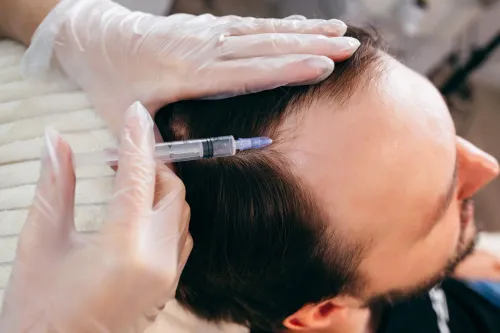
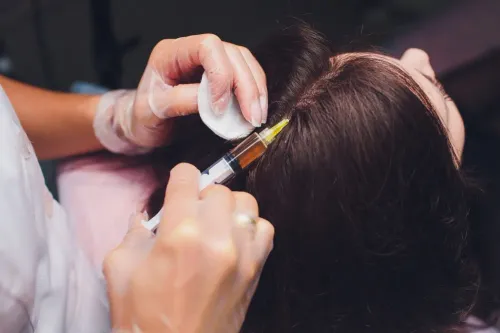
QR 678 is an injectable hair treatment used in selected hair-loss situations.
It is generally considered in areas where follicles remain present and thinning is occurring. It does not involve harvesting and relocating donor follicles.
This separates it clearly from hair transplantation.
A person with early patterned thinning may therefore be evaluated differently from someone with long-standing baldness.
Who May Need a Hair Assessment
People often start treatment after noticing visible loss, but earlier signs can also justify an evaluation.
These may include:
- Gradual thinning at the crown
- Receding temples
- Reduced overall density
- Increased scalp visibility
- Progressive widening of the parting
- Persistent shedding
- Family history of patterned hair loss
These signs do not automatically mean QR 678 is required. They indicate that the hair-loss pattern should be assessed.
Why Hair Loss Stage Matters
Existing follicles have an important role in determining what non-surgical treatment may realistically achieve.
In earlier stages of patterned loss, many follicles may still be present but producing thinner hair.
In advanced bald areas, the situation can be very different.
Patients should therefore avoid assuming that one injectable treatment can produce the same effect at every stage of hair loss.
How Long Does Hair Treatment Take to Show Change
Hair growth follows a biological cycle.
This means treatment progress should generally be assessed over a suitable period rather than within a few days.
Consistent photography can help patients and doctors compare:
- Hairline appearance
- Crown visibility
- Overall density
- Part width
- Areas of continued progression
Photographs should ideally be taken under similar lighting and positioning because changes in lighting alone can make hair appear significantly denser or thinner.
What to Ask Before Beginning QR 678
A useful consultation should explain:
- What type of hair loss is present
- Why QR 678 is being recommended
- What improvement is realistically expected
- How many sessions may be planned
- Whether other treatments are needed
- How treatment progress will be monitored
- What happens if thinning continues
Patients should also provide information about existing medicines, previous treatments, and relevant medical history.
QR 678 Treatment
People looking for QR 678 treatment in Nashik may encounter different treatment packages and session recommendations.
The number of sessions alone does not indicate the quality of a hair restoration plan.
At Jata Hair Sciences, Dr. Vinay Chouksey approaches non-surgical hair treatment by first examining the patient's existing follicles and hair-loss pattern.
A treatment plan should make sense biologically and clinically.
QR 678 may be considered for selected people with thinning hair, but appropriate expectations remain essential. The goal should be based on what existing follicles can realistically achieve and whether additional management is required to control progressive hair loss.
Keywords